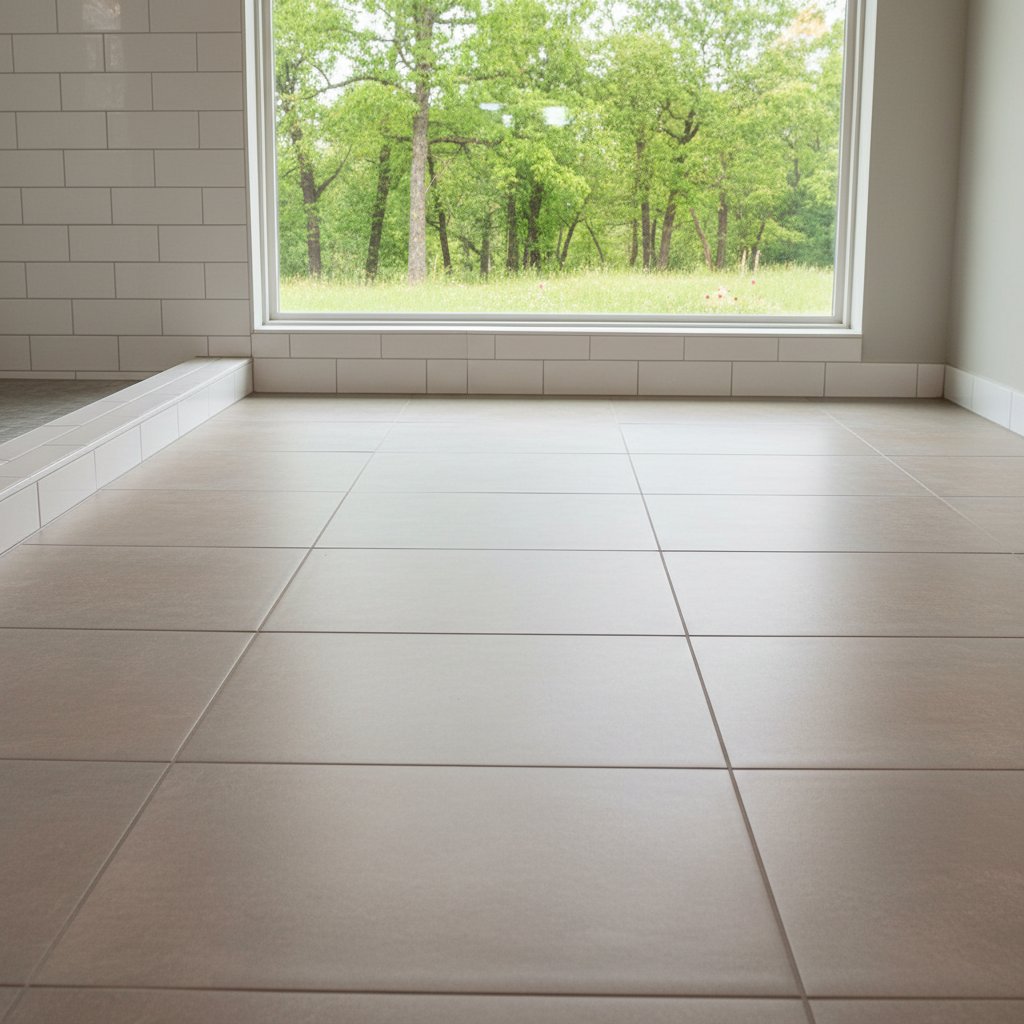
Alright, let's talk floors. I get a lot of questions about what kind of flooring is best, how long it takes, and what it's really going to cost. It's a big decision for your home, and you want to get it right. So, I figured I'd just lay out some of the most common things people ask me when they're thinking about new tile, hardwood, or anything else underfoot.
What's the best flooring for a busy household with kids and pets?
This is probably the number one question I hear, and for good reason. You've got little ones running around, maybe a dog or two tracking in mud from the yard after a good rain – you need something tough. For durability, especially against scratches and spills, luxury vinyl plank (LVP) is hard to beat. It's waterproof, incredibly resistant to dents and scratches, and it looks really good now, too. They've come a long way from the old sheet vinyl. It's also a lot softer underfoot than tile, which can be a plus for kids who might take a tumble.
Porcelain tile is another excellent option, especially for high-traffic areas like entryways, kitchens, or bathrooms. It's practically indestructible, won't scratch, and is completely waterproof. The downside is it's hard and cold, and grout lines can be a pain to keep clean if you don't seal them properly. But for sheer toughness, you can't go wrong with porcelain.
How long does a typical flooring installation take?
That really depends on the type of flooring and the size of the area, but I can give you some general ideas. For a standard 300-400 square foot room, like a living room or a kitchen, here's what you're looking at:
- LVP or Laminate: Usually 1-3 days. This can be quicker if it's a floating floor and the subfloor is already in good shape.
- Ceramic or Porcelain Tile: This takes longer, typically 3-5 days. There's a lot of prep work involved – making sure the subfloor is level, laying the cement board, cutting and setting each tile, and then waiting for the thinset to cure before we can even start grouting. Plus, the grout needs time to cure before you can really put furniture back.
- Hardwood (Engineered or Solid): This can range from 3-7 days. Solid hardwood takes longer because it often needs to acclimate to your home's humidity levels for a few days before installation, and if it's unfinished, it'll need sanding and sealing after installation. Engineered hardwood is usually a bit faster.
These are just estimates, of course. If we're removing old flooring, dealing with uneven subfloors, or moving a lot of furniture, that adds time. We'll always give you a more precise timeline after we've seen the space.
Do I need to remove my old flooring before you install the new one?
Most of the time, yes, you do. It's almost always best practice to remove the old flooring down to the subfloor. This lets us inspect the subfloor for any damage, moisture issues, or uneven spots that could cause problems with your new floor down the road. Installing over old flooring can lead to an unstable surface, uneven transitions, or even void warranties on your new material.
Now, there are some exceptions. Sometimes, we can install LVP or laminate directly over existing, well-secured vinyl or linoleum, as long as it's perfectly flat and stable. But honestly, it's rarely worth the risk of cutting corners. You want your new floor to last, and that starts with a good, clean foundation. We handle the demo and disposal, so you don't have to worry about it.
What's the deal with grout? Do I really need to seal it?
Oh boy, grout. Yes, you absolutely need to seal most types of grout, especially in places like kitchens and bathrooms. Standard cement-based grout is porous, meaning it's full of tiny holes that can absorb liquids, stains, and dirt. If you don't seal it, it'll get discolored and nasty looking real fast, especially with our red dirt here in Tahlequah getting tracked in. Sealing creates a barrier that helps repel those things, making your grout much easier to clean and keeping it looking good for longer.
There are some newer types of grout, like epoxy grout, that are non-porous and don't require sealing. These are fantastic for high-moisture areas or places where you want maximum stain resistance, but they're also more expensive and a bit trickier to work with. For most residential applications, a good quality cement-based grout with a proper sealer applied after installation will do the trick just fine.
Can I install radiant heating under my new floor?
You bet! Radiant floor heating is a fantastic upgrade, especially for those chilly Oklahoma mornings. It's super efficient and provides a really comfortable, even heat. You can install it under most types of flooring, but some are better conductors than others. Tile and stone are excellent choices because they absorb and radiate heat very well. Engineered hardwood can also work, but you need to be careful about temperature fluctuations that could damage solid hardwood.
If you're thinking about radiant heat, it's best to plan for it from the very beginning of your project. It adds a bit to the cost and installation time, but for the comfort it provides, many folks find it well worth it. We've done a few of these systems for clients in the Country Club area, and they always rave about how nice their floors feel in the winter.
How do I choose the right color and style of flooring?
This is where things get fun, but also a little overwhelming for some folks. My best advice is to start by thinking about the overall feel you want for your home. Do you want something light and airy, or warm and cozy? Modern or traditional? Then, consider your existing decor – wall colors, furniture, cabinets. You don't want your new floor to clash.
Bring home samples! Seriously, look at them in your own home, in different lights, throughout the day. What looks great in a showroom might look totally different in your living room. Think about how much natural light your space gets. Dark floors can make a small room feel smaller, but they also hide dirt better. Light floors can open up a space but show every speck.
Don't be afraid to ask for advice. We've seen a lot of different looks and can help you narrow down options based on your lifestyle and preferences. It's your home, so ultimately, you need to love it. We're here to help you make that happen, whether it's a full kitchen remodel or just new flooring in your bathroom.
What's the difference between ceramic and porcelain tile?
This is a common one, and people often use the terms interchangeably, but there's a real difference. Both are made from clay and other natural materials, fired in a kiln. The main distinction comes down to how they're made and their properties.
- Ceramic tile: Generally made from red or white clay, fired at a lower temperature. It's softer, less dense, and more porous than porcelain. This makes it easier to cut and install, and it's usually a bit more affordable. Ceramic is great for walls and light-traffic residential floors, but it's more susceptible to chipping and water absorption.
- Porcelain tile: Made from a denser, finer clay, and fired at much higher temperatures. This process makes it incredibly hard, dense, and much less porous (usually less than 0.5% water absorption). It's highly resistant to moisture, stains, scratches, and heavy impact. That's why you see it in commercial spaces and high-traffic areas. The downside is it's harder to cut and install, and it costs a bit more.
For most kitchens, bathrooms, and high-traffic areas, I almost always recommend porcelain. It's just a more robust, long-lasting product that holds up better over time, especially with the humidity swings we get around here. For a backsplash or a wall in a bathroom, ceramic is perfectly fine and can save you a few bucks.
Look, getting new flooring is an investment in your home. You want it done right, and you want to be happy with it for years to come. That's what we aim for every single time at All Star Bathrooms & Kitchens. If you've got more questions, or if you're ready to start planning your project, just give us a call or stop by. We're always happy to talk shop.